This is the conversation we'd have on a long evening with no one else around — about who you teach for, what the practice is becoming, and what we put on the door. I've turned it into a form so the answers are written down. Take your time. There are no right answers — we're looking for yours.
About thirty-five minutes if you go at a good pace. You can stop and come back to it — the form remembers where you left. A few of the questions are uncomfortable on purpose; those are the ones worth sitting with for a minute longer.
One small thing before we start — how you'd like your name to read on the final brand materials. The default below is fine; change it if you want something shorter.
— Adi
Pick five from each list. The first list is what we want the brand to feel like at every touchpoint — the words clients would unprompted say if they were describing it. The second list is the anti-brand: words we'd never want to land on us. The "never" list often reveals more than the "must" list, so be honest there.
Two parts. First, five sliders for the brand's personality. Drag the dot to where the brand sits. There's no "right" middle — pick a direction. Second, four short paragraphs of brand copy in different voices. Rank them from closest-to-furthest from how you actually want to sound — even if all four feel partly right.
These are four different ways the brand could speak — using your real credentials, real tenure, real beliefs. None of them is wrong. We're trying to read which one you naturally inhabit.
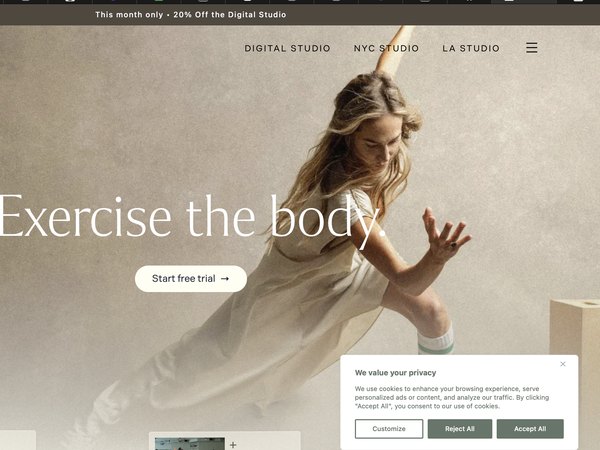
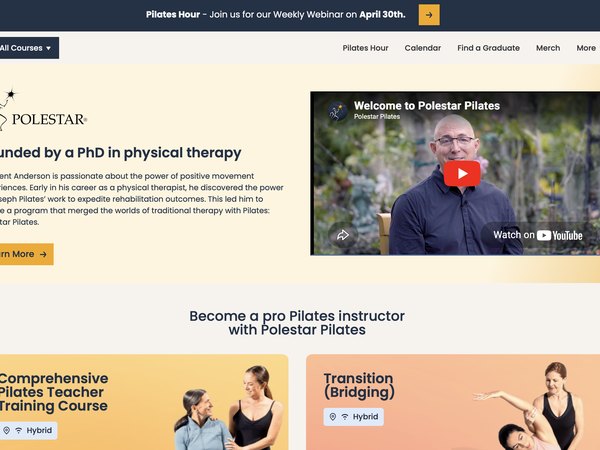
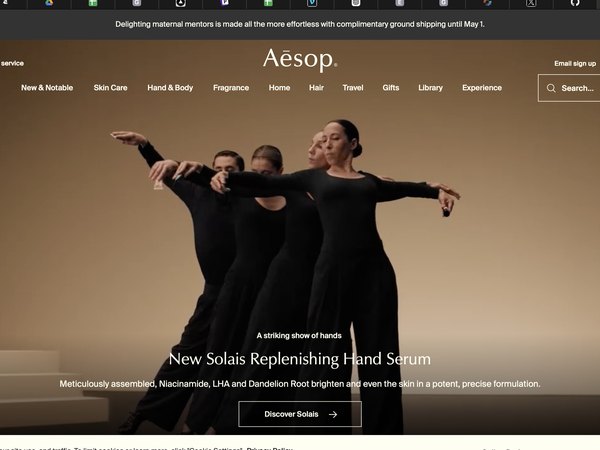
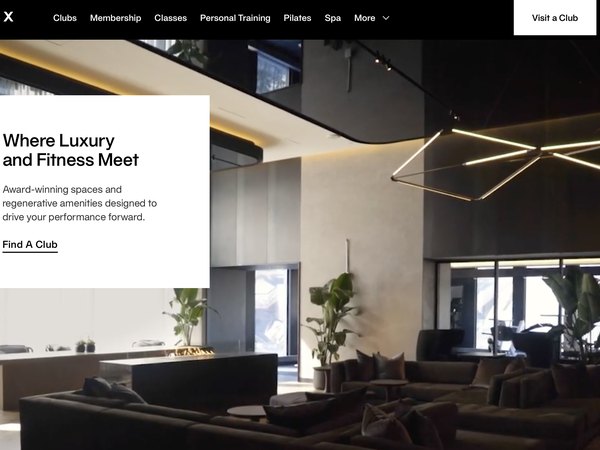
Each card below is a different visual direction the brand could plausibly inhabit. None of them is "right" — they're each a coherent territory. Look at all five, then rate each, and tell me what feels right and what feels wrong. The worlds you rate highest will direct Phase 2's visual identity.
The reference brands listed in each tearsheet are the ones to imagine when you read it. We've spanned the range — from clinically clinical to spiritually somatic, with three in the middle.
No typeface picks here, no logo decisions, no "premium-vs-not" generalities. We're reading taste across four dimensions so the Phase 2 designer knows where to land. Slide, click, choose.
Each pair has visual specimens at the ends. Drag the dot to where the brand sits.
Click once to mark lead (1). Click two more for supporting (2 and 3). Click again to deselect.


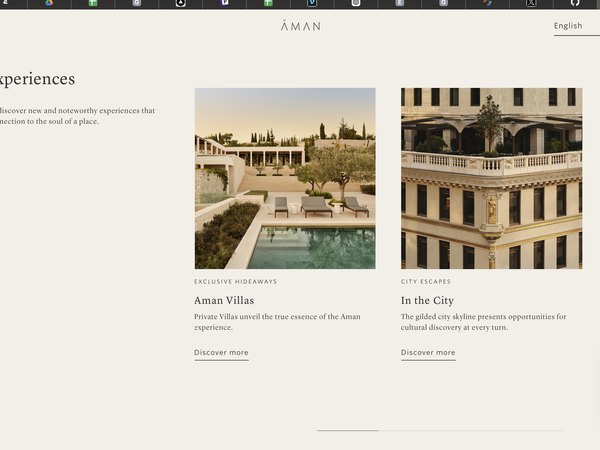
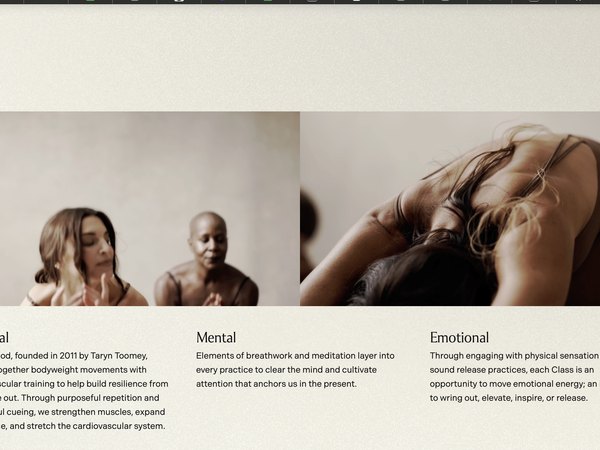

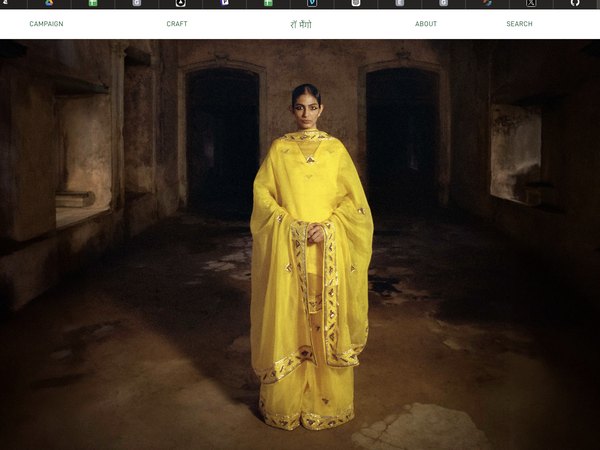
The lead direction defines the brand. Supporting directions add range. We'll commission Phase 2 photography against these picks.
Click one card to select.
Quiet authority. Reads serious in a hospital corridor.
Editorial premium. Reads like a quarterly magazine.
Indian-rooted. Reads like Ananda in a city studio.
Architectural minimal. Reads like a Tribeca studio in Sopan Baug.
Four gradient sliders. Each shows the range visually.
Three maps. On each, place two dots: one for where the brand reads today, one for where you want it to read in 24 months. Distance between the dots tells us how much movement we're committing to. Don't overthink the placement; first instinct is usually right.
Two questions. The first is about who's in your category — pilates, movement, chronic-pain. The second is about whose posture you'd quietly want the brand to resemble — even from outside fitness. Names are more useful than descriptions. List as many as feel right.
Below are four real archetypes from your client book — drawn from the 2022 harvest and from your own descriptions. Drag to rank them by how central each is to who you serve today. Then a few questions to sharpen who the brand explicitly does — and doesn't — speak to.
Top is most central to your practice today.
In your own words, what does this person come to you for — and what keeps them?
The harvest showed both — some students came for pain, some through a school-friend connection, some through a 25-year friendship.
Refusal is part of premium. Saying no clearly attracts the right people.
The studio is running. The teaching is happening. We're trying to decide what the studio is called in the next chapter. Three years ago you said BodyTalk should be the master brand and PilatesWithAarti should sit inside it. The chronic-pain + mind-body chapter has deepened since. Maybe that vision still holds. Maybe it doesn't. The questions below let you say either. There's no wrong answer; we're trying to find yours.
Given the chronic-pain + mind-body chapter you're now in.
Three of the brand's load-bearing decisions. Where the practice sits on the clinical-to-somatic spectrum, how visibly Indian-rooted it reads, and how much we lead with the lineage stack you've built. Plus a quick rank of how you actually think about pain — which informs everything else.
Drag to rank by how true each statement feels in your practice. Top = most true.
How clinical or somatic should the brand feel?
How visibly Indian-rooted should the brand be?
How loudly should the brand state your lineage stack — Balanced Body, Michael King, APPI, Moushumi Kuvawala, Breathe Education's Diploma of Clinical Pilates, NOI Group's Explain Pain and Bodily Relearning?
Five number inputs and a few posture questions. None of these are commitments — they're targets we'll pressure-test in Phase 2. Use whole rupees. The current 1:1 rate (₹1,500/session) is shown for anchor; the rest are blank.
The texture of the experience. The first 5 minutes, the room, the tone of the reply. The brand book in Phase 2 will describe the studio's experience in detail; these answers seed it.
One student said — "Aarti shows the skeleton, very important." Another said — "Aarti tells me to imagine a cup of coffee on my back." A third said — "she's geeky about which muscles are hit." These are signature moves that show up in your teaching.
Six lists, each short. Just names. The last question is anti-aspiration; that's the sharper one — be honest.
Don't be polite. Anti-aspiration sharpens the picture.
First, five small openings into your arc. Then two translations of the same story for two different listeners. Then one honest omission. Finally, the visibility-commitment matrix — the most important question in this form.
In 2022 a long-time friend and client of yours told us — "Aarti needs to first be visible. I'm waiting for her picture also."
You said in the same year — "BodyTalk should be independent of me. I don't want it to be about Aarti."
These are in tension. The next 24 months can't hold both. Tick the boxes you'll commit to.
Tick the boxes you'll do, and/or pick the opt-out. If you pick the opt-out alone, the entire growth plan rearranges — that's fine, but we should know.
Last six. The year ahead, the year after that, and the way you'll know it's working.
One last look. Edit anywhere. When you submit, the responses go to Adi as a structured email; we discuss them next.
Submit sends a structured email to Adi (with the JSON attached). Download keeps a local copy in the same format. Phase 1 closes when this lands.
This conversation closes Phase 1. Adi has the full record. We meet next about what we do with it.
— And whatever you said about the brand-name question, the door is ready for whatever you decide.